When temperatures climb during a Waterloo-area heat wave, many homeowners notice something concerning: their air conditioner seems to run nonstop. It may start in the morning and continue operating for hours without shutting off. While this can be alarming, continuous operation is not always a sign that something is wrong.
Understanding when constant runtime is normal and when it may indicate a problem can help you make informed decisions about your home’s comfort and cooling system.
Is It Normal for an Air Conditioner to Run All Day?
During periods of extreme heat, an air conditioner may operate much longer than it does during typical summer weather. Cooling systems are designed to remove heat from your home, but they can only do so at a certain rate.
When outdoor temperatures rise well above seasonal averages, your system must work harder to keep indoor temperatures comfortable. In some cases, it may run continuously throughout the hottest part of the day while still maintaining the thermostat setting.
Homeowners are often surprised to learn that longer runtimes can actually be beneficial during extreme weather. Consistent operation helps maintain more stable indoor temperatures and can improve overall comfort when outdoor conditions are unusually demanding.
When Continuous Operation Is Completely Normal
Air conditioning systems are generally designed around expected local weather conditions, not record-breaking temperatures. During a heat wave, heat enters your home more quickly through windows, walls, roofing materials, attic spaces, and air leaks around doors and windows.
Modern heating and cooling systems are often operating exactly as intended when they run for extended periods during these conditions. If your home remains comfortable and the thermostat temperature is being maintained, longer runtimes may simply reflect the demands of extreme weather.
Several factors can increase runtime during a heat wave:
- Direct sunlight on large windows
- High occupancy levels inside the home
- Frequent door openings
- Cooking and appliance use
- Poor attic ventilation
- Elevated outdoor humidity levels
Continuous operation becomes more concerning when the system can no longer keep up with the cooling load.
Signs Your Air Conditioner May Be Struggling
A system that runs constantly while maintaining the desired temperature is different from one that runs constantly and falls behind.
Potential warning signs include:
- Indoor temperatures that continue rising despite cooling operation
- Certain rooms feeling noticeably warmer than others
- Weak airflow from supply vents
- Unexpected increases in electricity consumption
- Longer cooling cycles than you have experienced in previous summers
- Excessive indoor humidity
- Frequent thermostat adjustments with little effect
If the thermostat is set to 22°C but indoor temperatures remain at 25°C or higher for extended periods, the system may be struggling to meet demand.
Uneven cooling can also indicate airflow restrictions, ductwork issues, or equipment performance problems that require further investigation.
Common Causes of Excessive Runtime
Several issues can increase cooling runtime and reduce system efficiency.
Dirty air filters are among the most common causes. Restricted airflow forces the equipment to work harder while delivering less cooling throughout the home. Deferred maintenance can also contribute to performance issues, which is why regular air conditioning maintenance remains important.
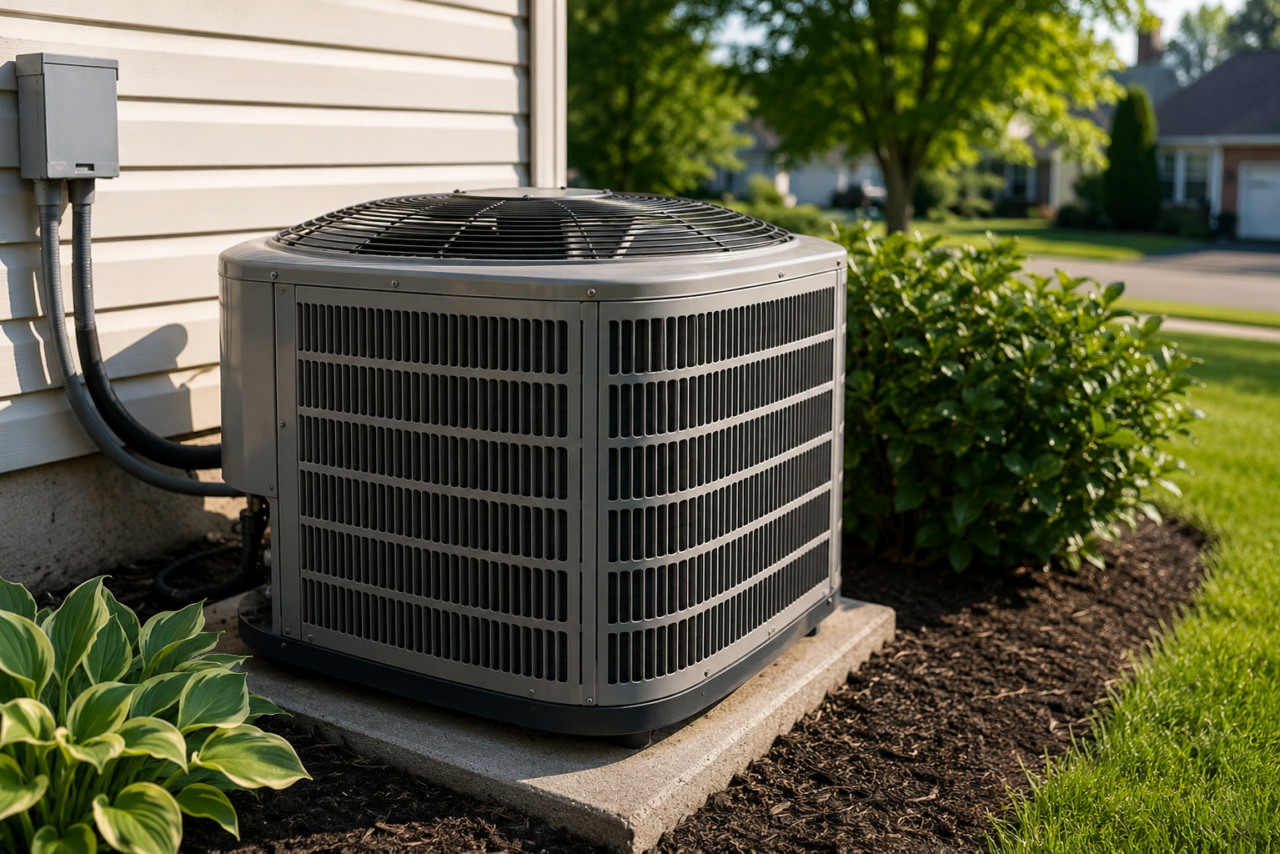
Blocked supply vents, obstructed return air grilles, and debris around the outdoor condenser unit can also affect performance. These issues reduce airflow and make it more difficult for the system to transfer heat effectively.
Other potential causes include refrigerant problems, dirty evaporator coils, duct leakage, or aging equipment that no longer performs as efficiently as it once did. While homeowners can often check filters and ensure vents remain open, more complex issues require professional evaluation.
The Role of System Sizing
Many homeowners assume that a larger air conditioner automatically provides better comfort. In reality, proper sizing plays a major role in system performance.
Airflow design, duct configuration, insulation levels, and cooling load calculations all influence runtime. Professional HVAC design services help ensure systems match the needs of the home rather than simply maximizing equipment size.
Questions about equipment sizing are common because both oversized and undersized systems can create comfort challenges. Homeowners can learn more about whether their air conditioner is the right size for their home and why proper equipment sizing matters for long-term performance.
An undersized system may run almost continuously during hot weather because it lacks the capacity to meet the home’s cooling requirements. An oversized unit can create a different problem by cooling too quickly and shutting off before adequately removing humidity.
Why Humidity Changes the Conversation
Temperature is only part of the comfort equation.
Many homeowners report feeling uncomfortable even when the thermostat shows an acceptable temperature. This often happens when indoor humidity levels remain elevated.
A properly functioning air conditioner removes both heat and moisture from the air. When humidity remains high, your home can feel sticky, damp, or warmer than the actual temperature would suggest.
If you have noticed excessive moisture indoors, it may be helpful to understand why your home feels damp while the air conditioner is running. Homeowners can also learn more about humidity-related cooling issues and how they affect comfort.
High humidity can sometimes signal airflow problems, oversized equipment, or other performance concerns that deserve attention.
When to Call an HVAC Professional
While some extended runtime is expected during a heat wave, certain situations warrant a professional inspection.
Consider scheduling service if:
- The system cannot maintain the thermostat setting
- Utility bills rise dramatically without explanation
- Airflow becomes noticeably weaker
- Indoor humidity remains consistently high
- The equipment frequently requires repairs
- Ice forms on refrigerant lines or indoor components
- Unusual noises develop during operation
A professional assessment can identify whether the issue is related to maintenance, airflow, refrigerant levels, equipment condition, or system design.
What Homeowners Can Do Before Booking Service
Before scheduling an inspection, there are a few simple steps homeowners can take.
Replace or inspect the air filter, verify that vents are open and unobstructed, clear debris from around the outdoor unit, and confirm thermostat settings are correct. Reducing heat gain by closing blinds or curtains during peak sunlight hours can also lessen the cooling load.
If these basic checks do not improve performance and the system continues struggling to maintain comfort, a professional evaluation can help determine the underlying cause.
Scheduling a cooling system inspection and performance assessment can provide clarity on whether your air conditioner is operating normally for current conditions or whether corrective action is needed. For professional assistance, homeowners can contact Waterloo Energy Products & Services.